Soap making
Product preparation, moulding and finishing.
Find programmes, focus areas, impact information, policies and ways to take part.
Punjabi Samvad and CMS Foundation have supported practical training for rural women, young people and families affected by substance abuse. Participants learn through demonstration, repeated practice and follow-up.
Read the stories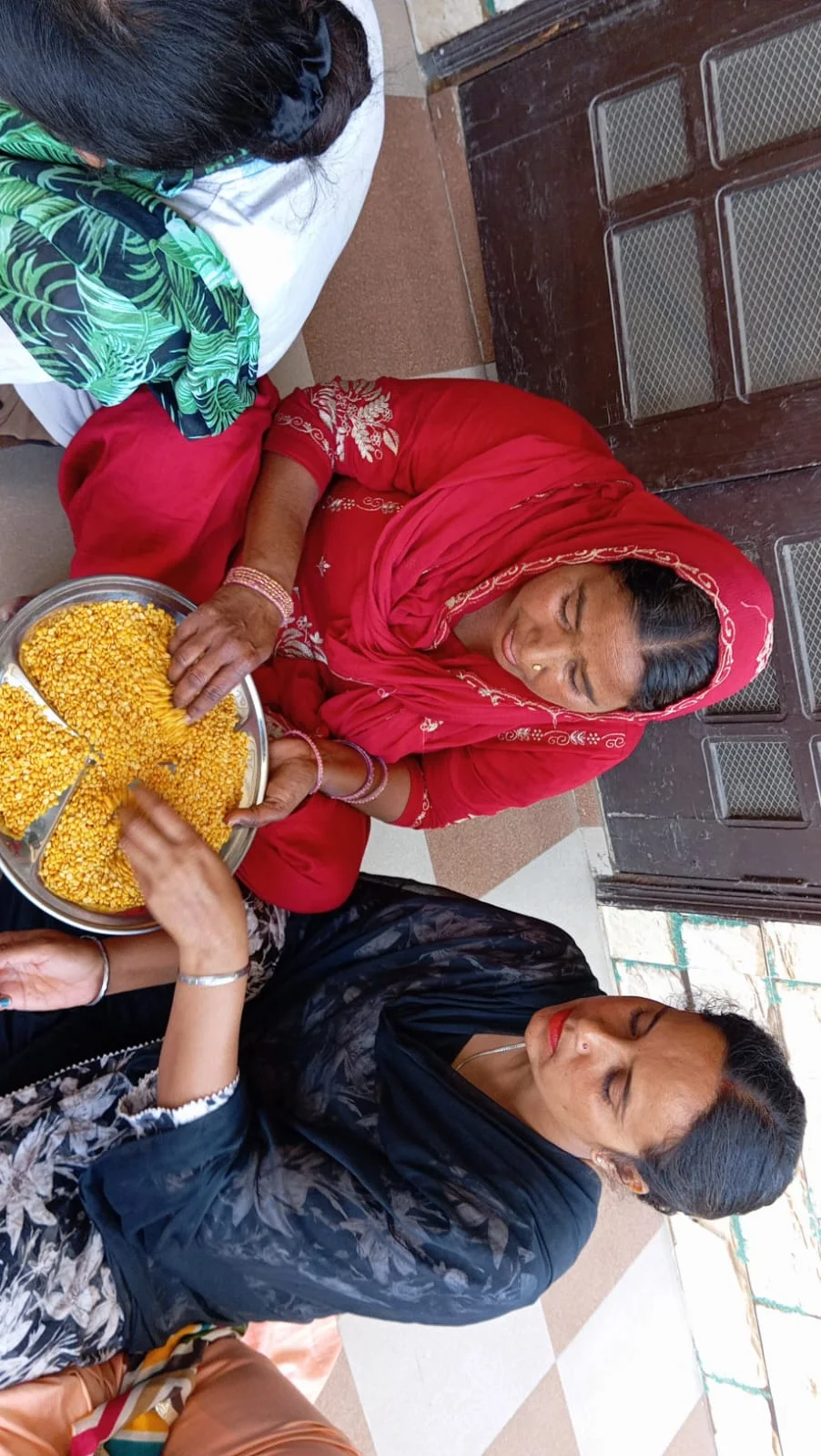
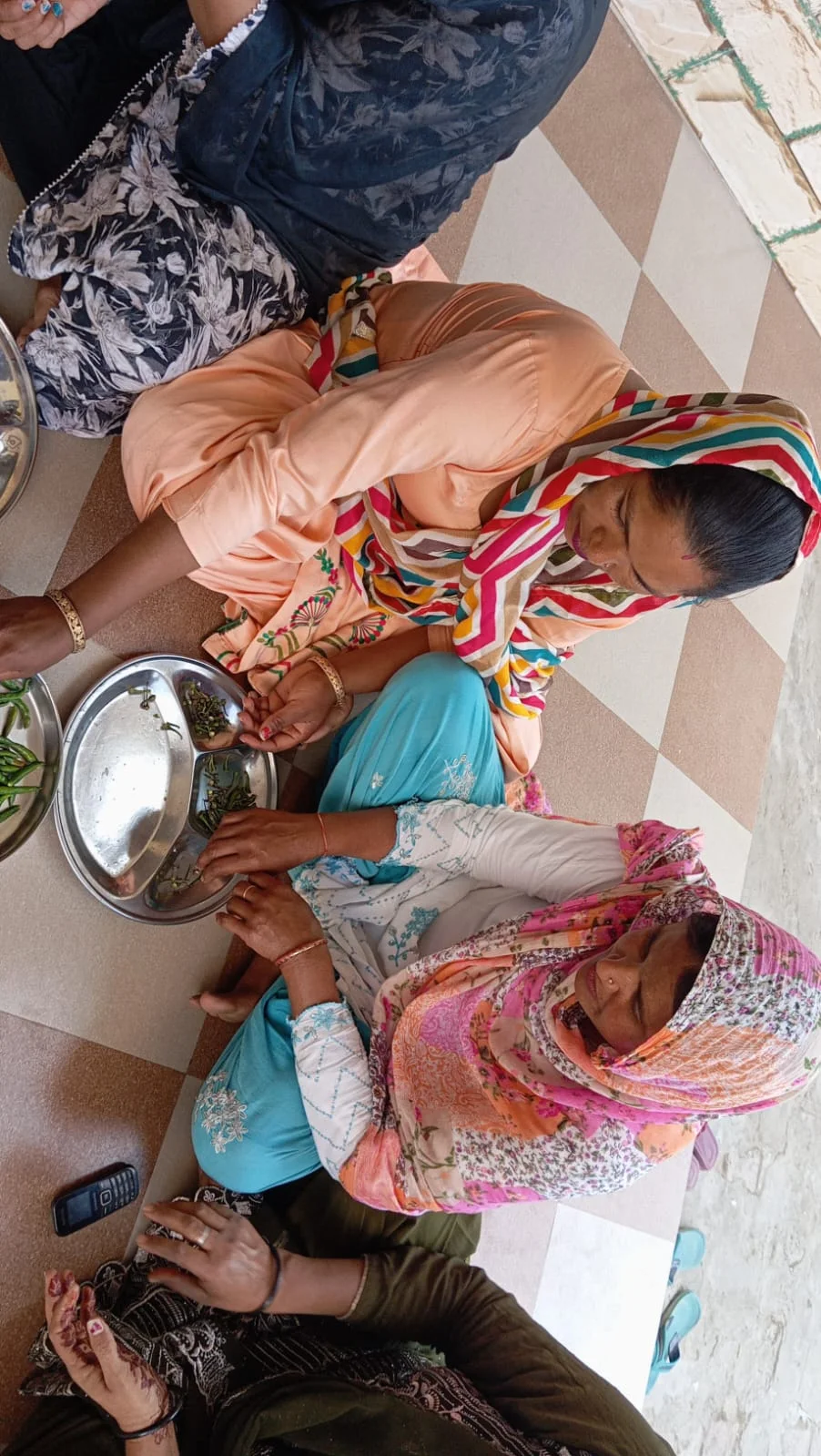
Sessions cover products and services that participants can continue with modest equipment and local demand. Facilitators demonstrate each process, give participants time to repeat it and remain available when the workshop ends.
Product preparation, moulding and finishing.
Traditional recipes, ingredients and small-batch production.
Practical checks for commonly used spices.
Embroidery practice, design and pathways to paid work.
Compost preparation and local selling opportunities.
These accounts use consented information supplied by participants. We left out harmful family allegations and details unrelated to the programme.
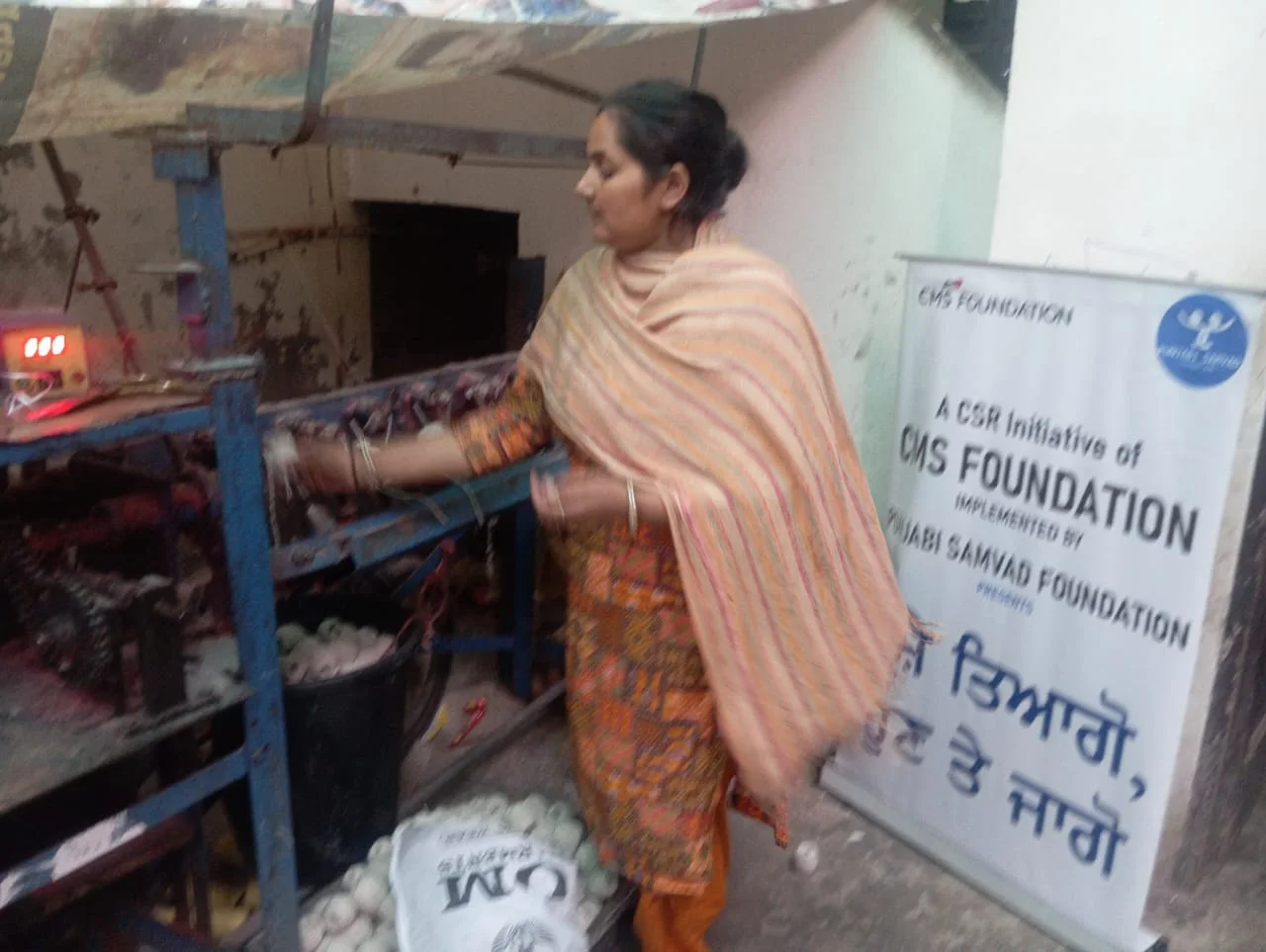
Anita joined a livelihood programme after meeting the team through a community awareness activity. Training in production and packaging gave her a route into home-based work. She now earns around ₹7,000–₹8,000 a month and uses that income for household expenses and her children’s education.
“Today, I can support my family and educate my children. I feel independent and confident.”
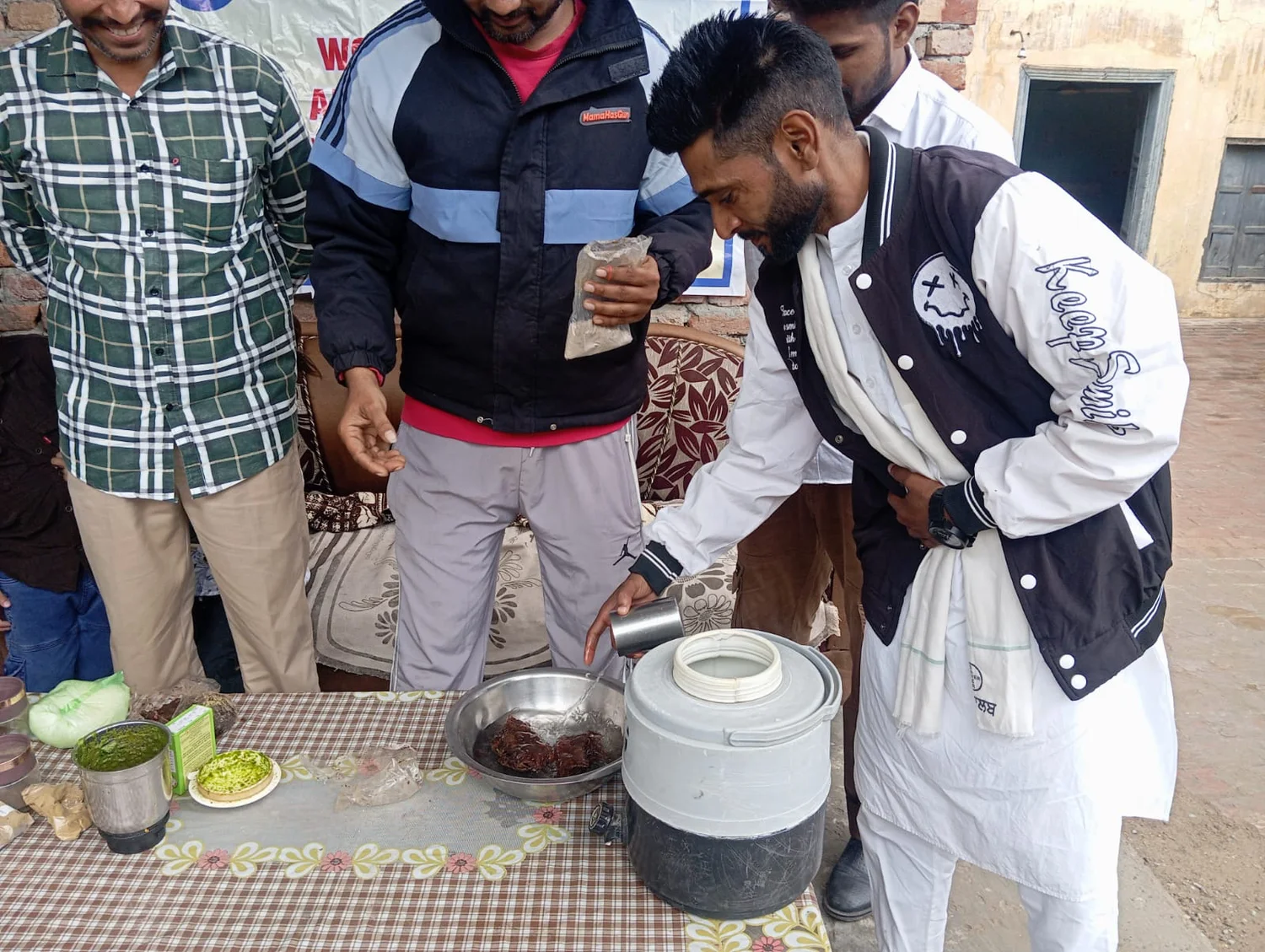
Harjinder attended a street-food training programme delivered through the partnership between Punjabi Samvad and CMS Foundation. He continued practising with the trainer, began selling golgappas near his home and now supports his family through the stall. He also reports that he has stopped drinking alcohol.
“This transformation came not just from training, but from my decision to change. If a person is determined, they can turn their life around at any stage.”
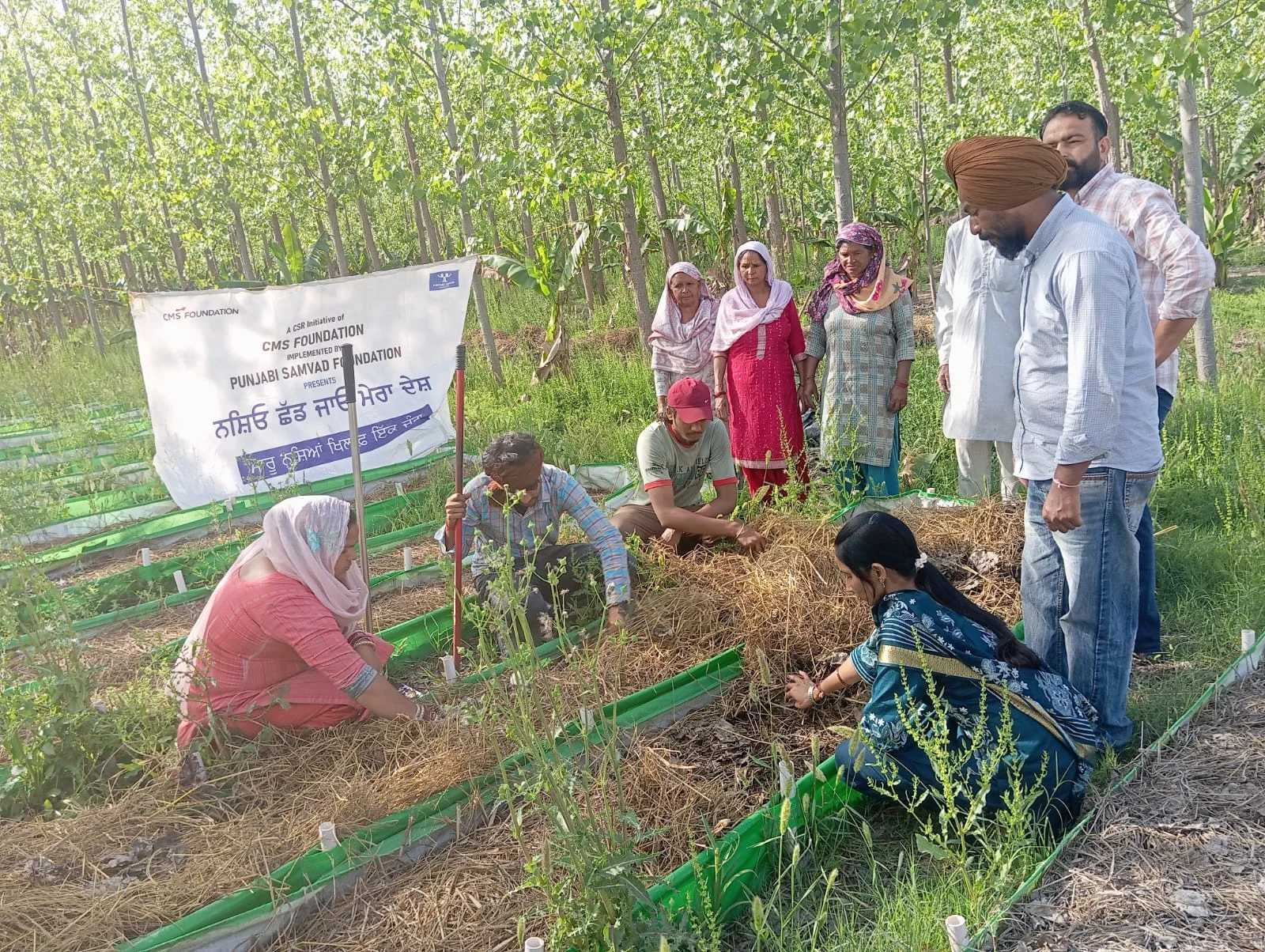
Name changed to protect the participant’s privacy.
Aman joined counselling and vermicompost training while working to recover from substance dependence. He learned to prepare compost, approached local nurseries and began offering it to households nearby. He now has a routine, a source of income and a practical reason to keep moving forward.
“If I cannot even eat the food made by my mother, how can I continue with addiction?”
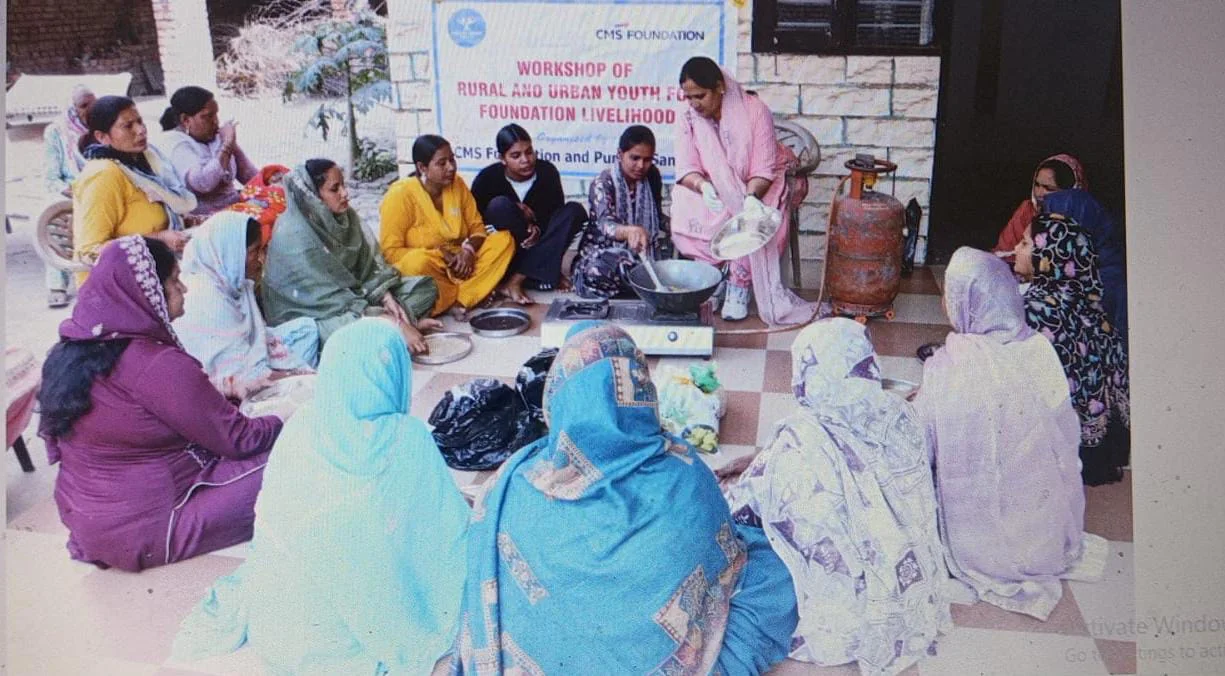
Kamrajeet learned traditional masala preparation with a group of women in rural Firozepur. She used the training to begin small-scale production from home. The income helps her meet household costs, and her children have returned to school.
“I wanted my children to study and have a better life. Today, I can support them and stand on my own feet.”
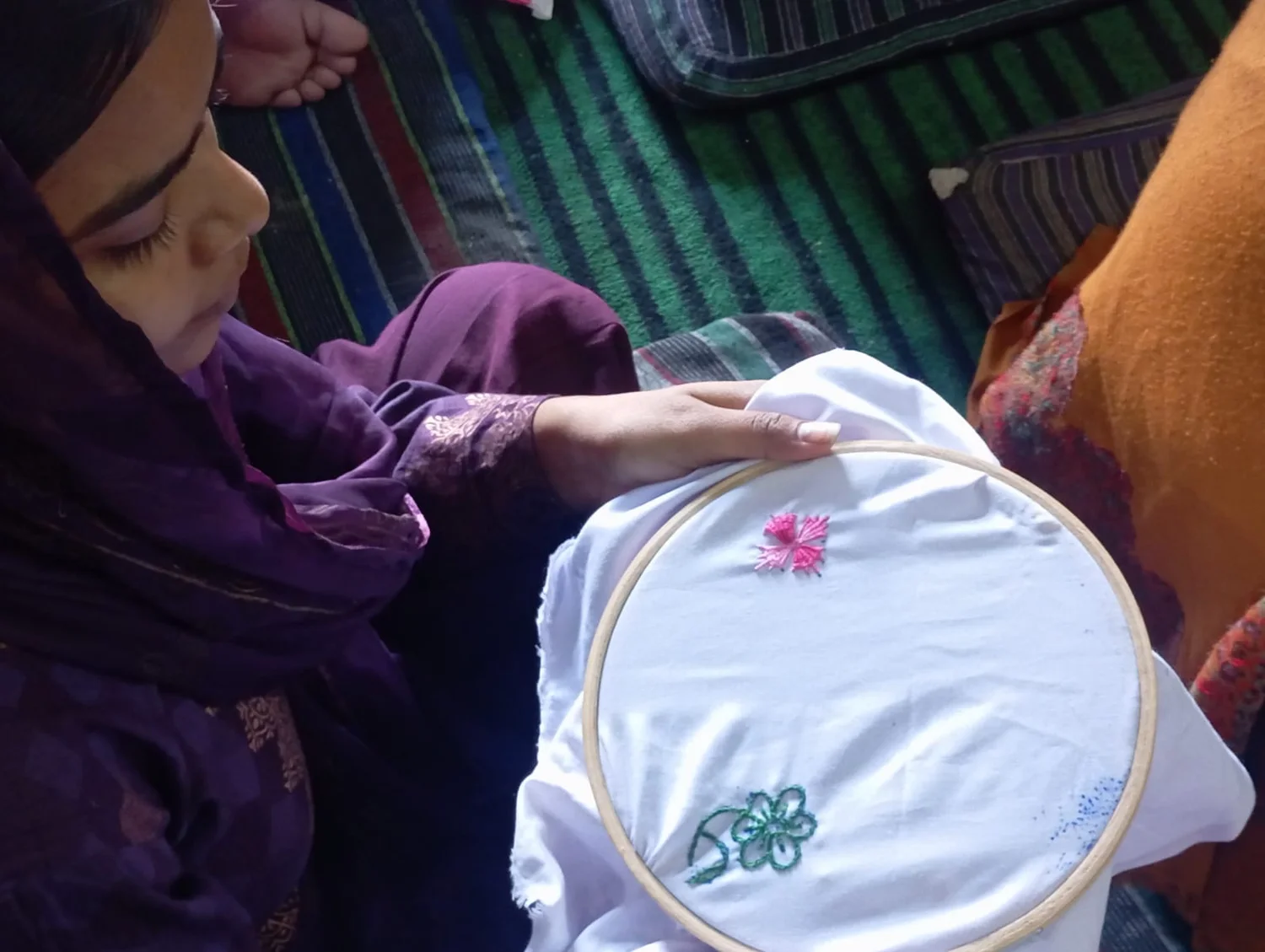
We have withheld family circumstances and the participant’s exact location.
Nisha developed her embroidery skills through regular Phulkari practice and guidance. A government department then asked her to complete a design assignment. She wants advanced training, plans to build a small livelihood of her own and hopes to teach other girls in the future.
“I want to learn more, grow my skills, and one day start my own work. I also want to help other girls become independent like me.”
A ten-day workshop can introduce a skill. Many participants needed more time to practise, ask questions and build a routine, so Punjabi Samvad extended some sessions to 20–25 days.
The extra time helped participants continue at home. Some called after the programme for guidance on vermicomposting, while women kept working with masalas, soap and embroidery. During follow-up, participants told us where they felt confident and where they needed more support.
We now plan livelihood training with practice and continued guidance in mind. The aim is to help each participant leave with a skill they can keep using.
Jyoti Bawa